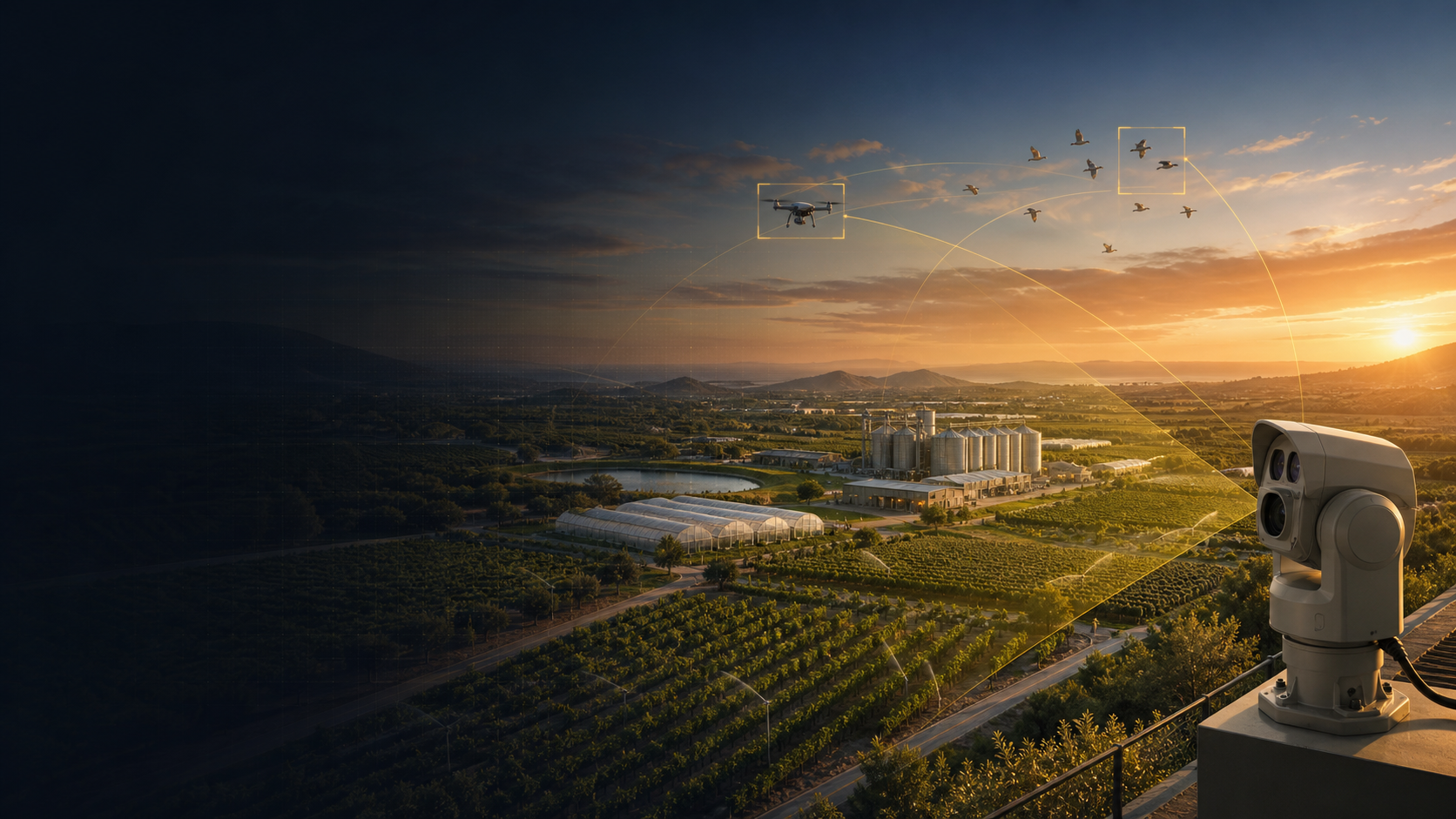
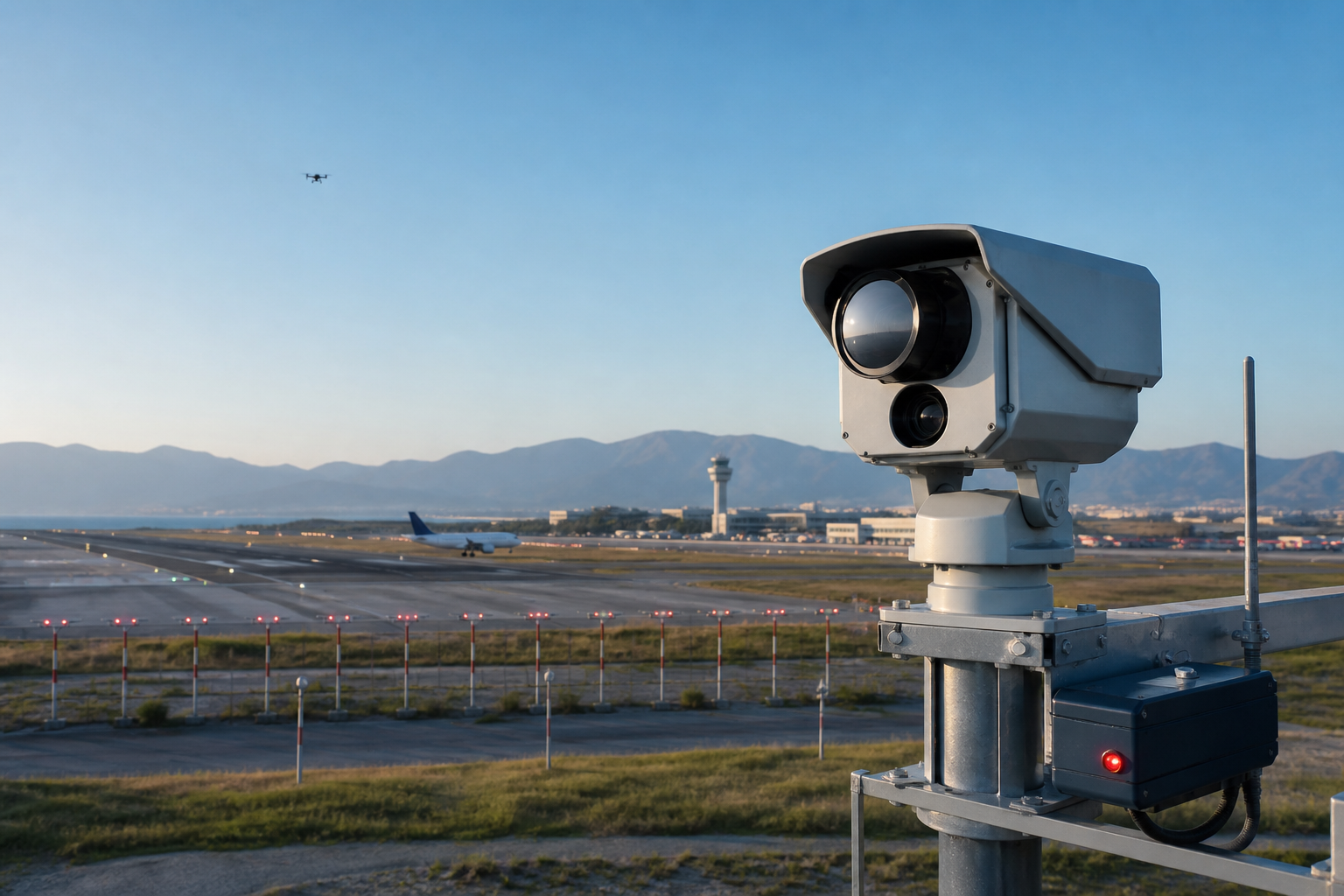
Airport Anti-Drone systems provide a multi-layered Counter-UAS solution designed to detect, identify, track, and assess unauthorized drones operating near aviation facilities. By combining RF Detection, 3D Radar, Thermal Imaging, EO/IR Cameras, Acoustic Sensors, and AI-powered analytics, these platforms deliver comprehensive airspace awareness and continuous protection.
Designed for continuous operation, the solution creates a unified picture of the protected airspace by correlating information from multiple sensor technologies. Security teams can detect suspicious activity at an early stage, distinguish drones from birds and other airborne objects, track multiple targets in real time, locate remote operators when RF conditions allow, and manage alerts through a centralized interface. The system can be adapted to international and regional airports, cargo terminals, airbases, and other critical aviation facilities.
Every airport presents a different operational and security environment. Runway orientation, approach and departure routes, surrounding terrain, nearby urban areas, existing infrastructure, and local drone activity all influence the design of an effective Counter-UAS solution. FOIDAM evaluates these conditions to define suitable sensor locations, coverage zones, alert procedures, and system integrations. The modular architecture supports phased implementation and future expansion, allowing airports to strengthen their protection capabilities while maintaining uninterrupted daily operations.
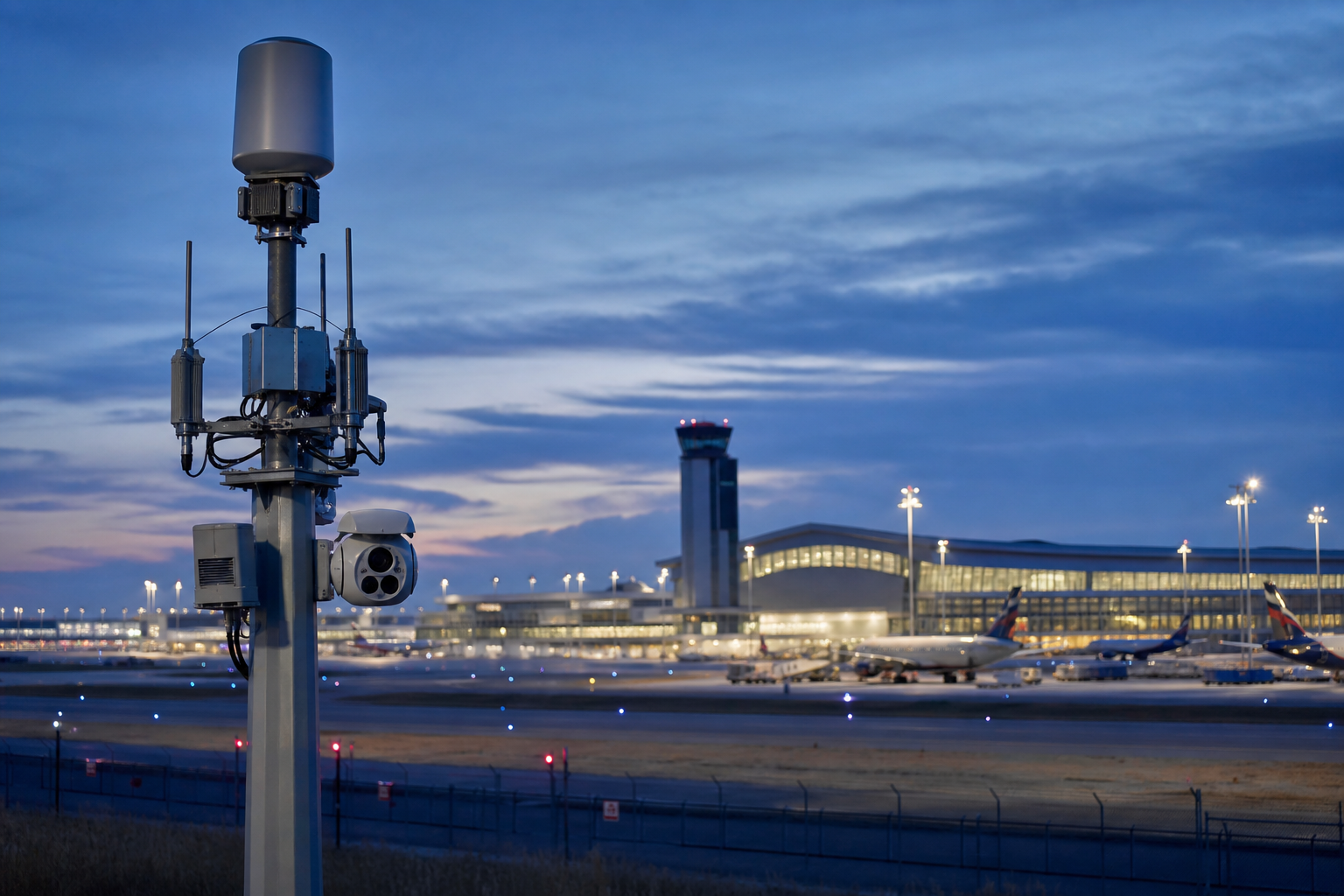
Airport Anti-Drone Technology
Detect Earlier — Verify Faster — Protect Continuously